 Facebook
 Twitter
 LINE
LINE
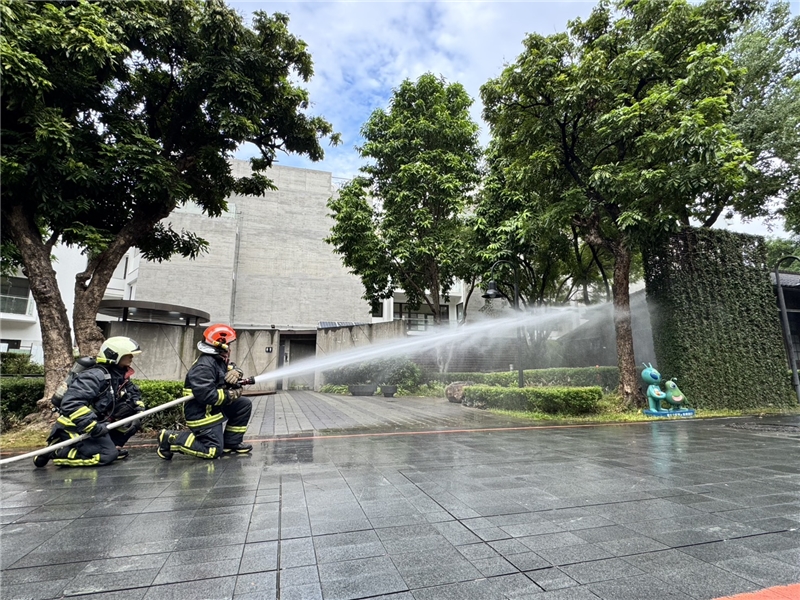
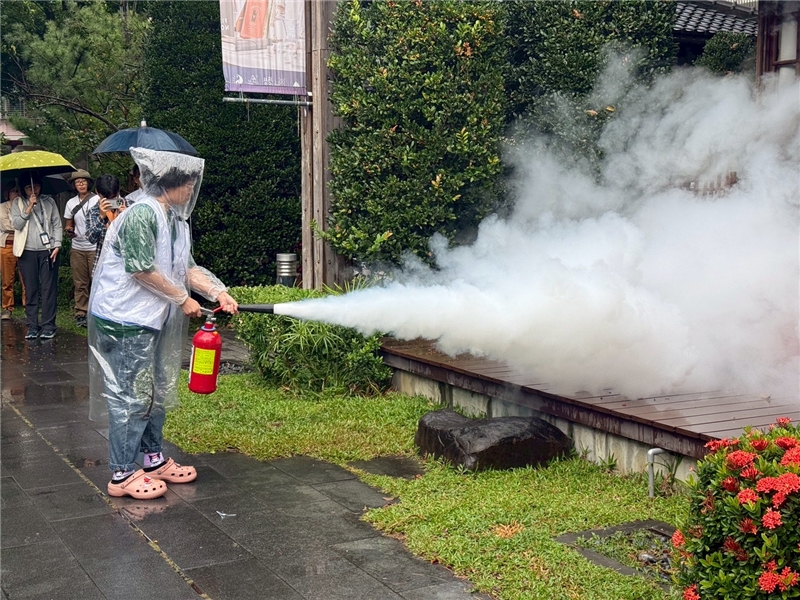
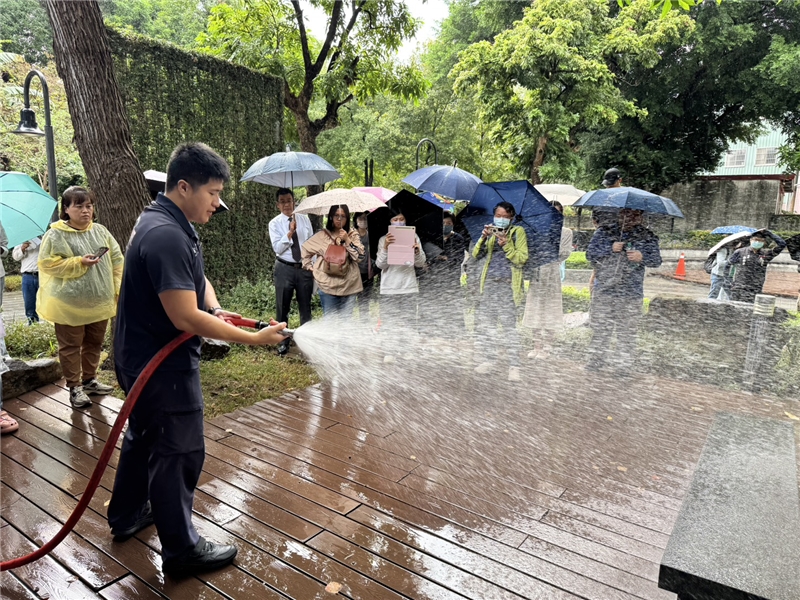
The Cultural Affairs Bureau explained that this year’s drill focuses on “dormitory-type cultural heritage,” selecting the Taichung Literature Museum—a historic building originally serving as the Police Dormitory during the period of Japanese rule and boasting over 90 years of history—as the primary venue. The area consists of several wooden structures from the Japanese Colonial Era, situated near the Fifth Market and residential neighborhoods, with narrow surrounding roads that increase the risk of fire. Through disaster scenario simulations and on-site exercises, the drill included activities such as hands-on operation of disaster prevention equipment and role-based emergency response coordination. These efforts aimed to strengthen the disaster preparedness knowledge and capabilities of both management units and users.
Director Chen Chia-chun of the Cultural Affairs Bureau noted that disaster prevention and emergency response are indispensable in the management and preservation of cultural heritage. To extend the life cycle of cultural heritage and be prepared for potential disasters, the Cultural Affairs Bureau holds annual courses and disaster prevention drills related to heritage management and maintenance. Through educational programs and training, the Bureau seeks to deepen awareness of disaster prevention for cultural heritage, enabling management units and users to work together in sadegurading precious historical memories and its cultural values.
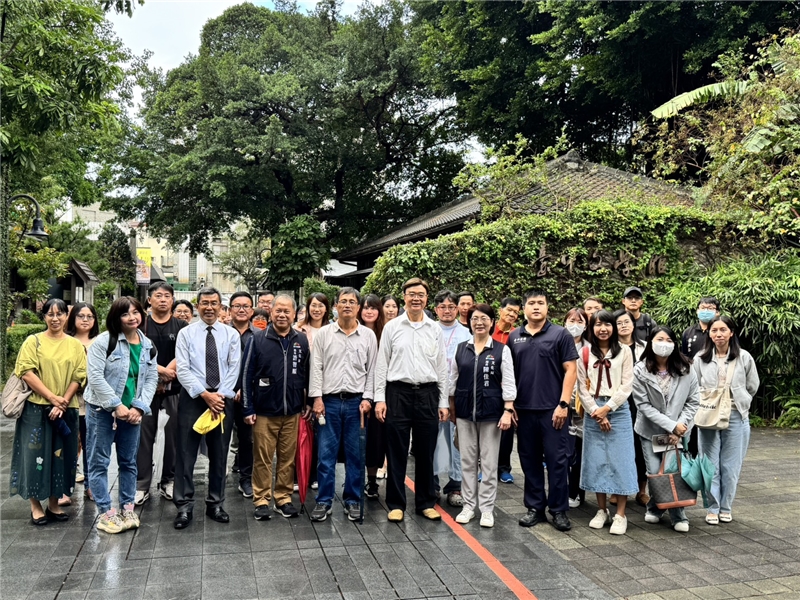
The drill was jointly organized by the Taichung City Government’s Cultural Affairs Bureau and the Ministry of Culture’s Bureau of Cultural Heritage and was planned by the National Monument Regional Professional Service Center (Zone 3) for 2024–2025 and the Taichung City Cultural Heritage Protection Professional Service Center, both established by National Yunlin University of Science and Technology. With on-site support and assistance from the Taichung City Government’s Fire Bureau, the drill included simulated operations and knowledge exchange. Through professional guidance and cross-agency collaboration, the drill further enhanced the first aid and emergency response capabilities of cultural heritage owners, users, and managers—demonstrating the depth and resilience of s cultural heritage preservation efforts.