 Facebook
 Twitter
 LINE
LINE
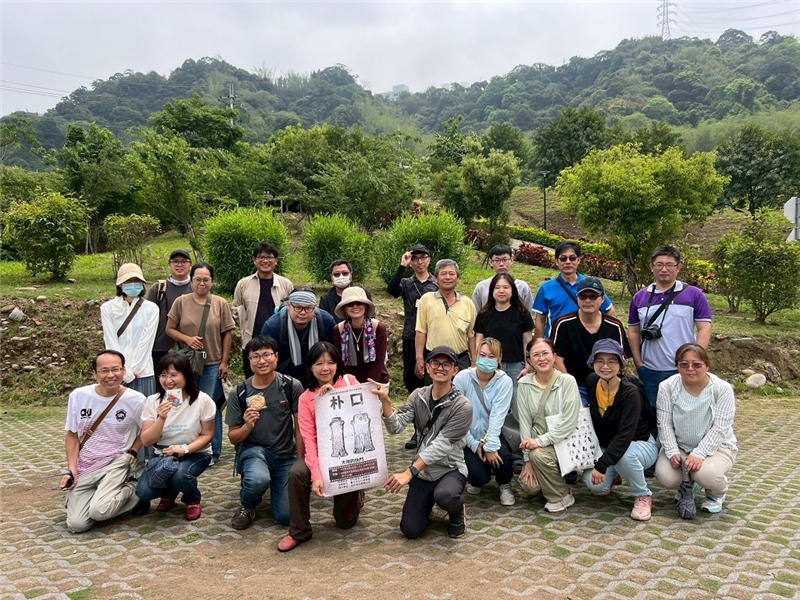
Did secrets of prehistoric life from thousands of years ago lie hidden beneath National Highway No. 4? On the morning of April 18, 2026 (the 115th year of the Republic), the Taichung City Cultural Heritage Administration held an educational promotion activity for the "Taichung City Archaeological Site Census Project (Phase 1)" at Wengzi Park in Fengyuan District. Under the guidance of professionals, the event revealed the Pukou Archaeological Site and significant excavated specimens, which were unexpectedly discovered during construction monitoring of the Fengyuan-Tanzi section of National Highway No. 4.
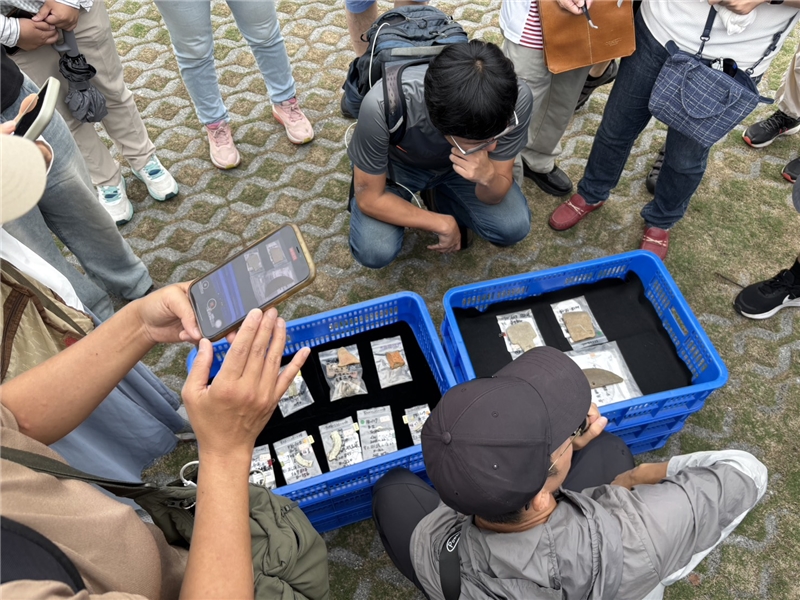
The appearance of the "Pukou Archaeological Site" was full of surprises. During construction monitoring of the Taichung Ring Expressway (National Highway No. 4) Fengyuan-Tanzi section in 2017, two prehistoric cultural layers from different periods were accidentally discovered at depths of 3 meters and 7 to 10 meters below the surface. The upper "Yingpu Cultural Layer" dates back to the Late Neolithic period, yielding rich stone tool production areas, stone row structures, and rare jade ornaments. The lower "Niumatou Cultural Layer" belongs to the Middle Neolithic period, where pottery jars, semi-lunar stone knives, and shouldered stone axes were unearthed. Notably, olivine basalt stone tools from Penghu were found, proving that a long-distance resource exchange network already existed in Taiwan thousands of years ago.
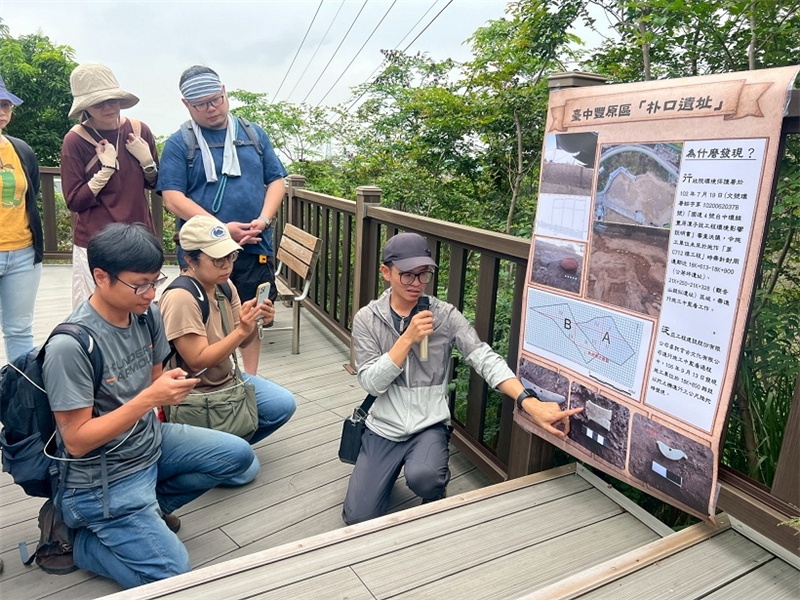
On the day of the event, professional archaeologists led the public on a field visit to the former excavation site, allowing them to experience the specimen collection process and observe unearthed artifacts up close. The tour revealed gravel areas caused by frequent debris flows at the site, suggesting that this land had undergone multiple natural impacts. Like the "Shutter of the Earth," these events instantly sealed prehistoric human activities within the strata. Local teacher Ms. Luo stated: "In the past, I always thought the ground beneath modern projects like National Highway No. 4 was just ordinary soil; I even thought this land had no connection to cultural heritage. I never expected that beneath modern construction, historical imprints of thousands of years were slumbering. This experience was very meaningful and allowed me to rediscover the roots of my hometown."
The "Shutter of the Earth—Pukou Archaeological Site" guided tour is the second educational promotion activity of the Taichung City Archaeological Site Census Project (Phase 1). In accordance with the Cultural Heritage Preservation Act, the Taichung City Cultural Heritage Administration launched a large-scale archaeological site census last year (2025), which is expected to complete a systematic survey of 29 administrative districts over 4.5 years. Phase 1 is being executed by Footprint Culture Co., Ltd., covering 16 administrative districts including East, West, South, North, Central, Xitun, Nantun, Beitun, Wuri, Wufeng, Dali, Shengang, Tanzi, Fengyuan, Daya, and Taiping. The project aims not only to re-examine known archaeological sites but also hopes to discover unknown prehistoric cultural assets.