 Facebook
 Twitter
 LINE
LINE

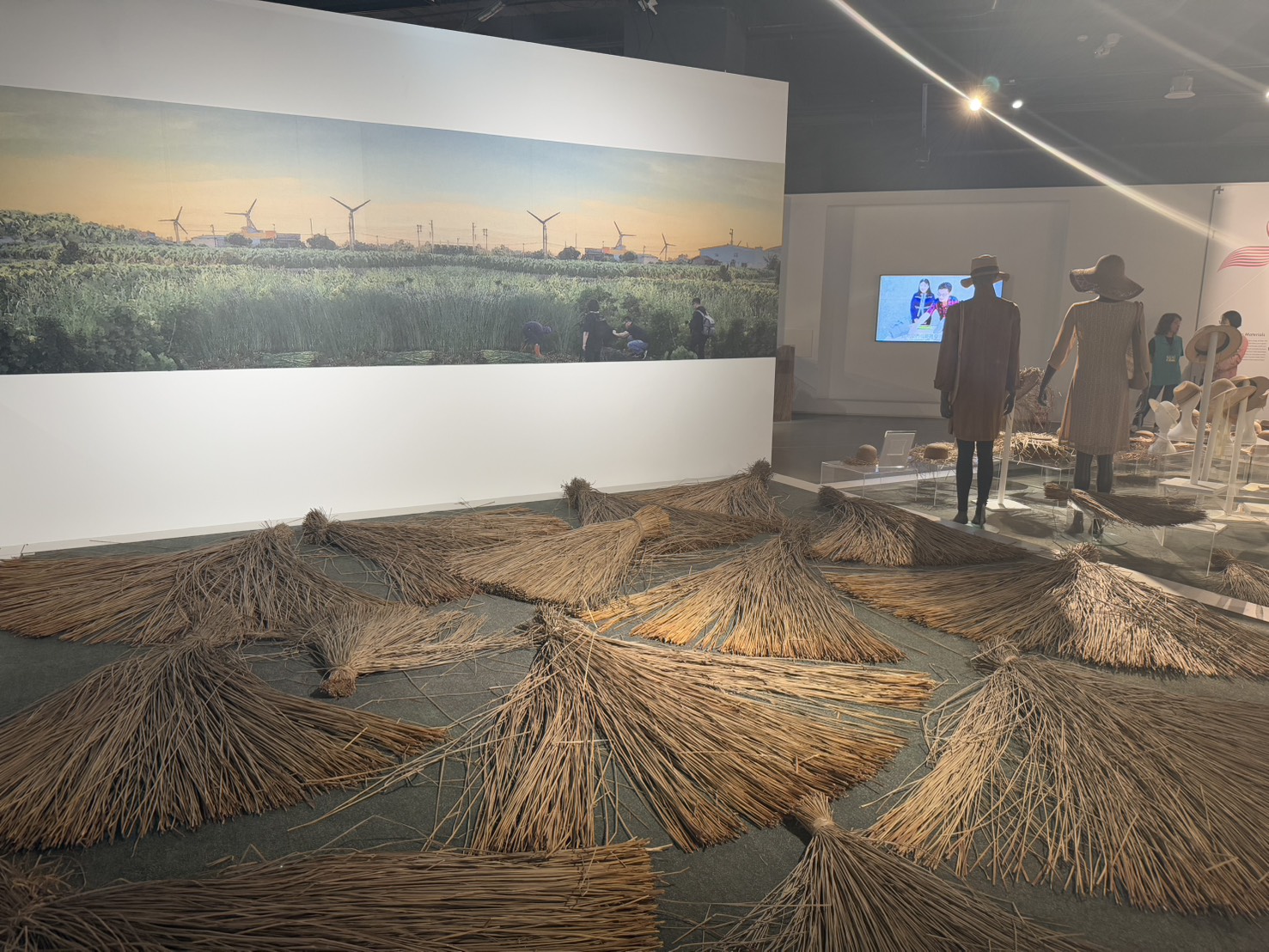
Did you know that Taiwan was once hailed as the “Kingdom of Rush Hats” a century ago? Starting today, the Museum of Fiber Arts in Taichung is presenting the micro-exhibition “Taiwan: Kingdom of Rush Hats” in its second-floor permanent gallery. The exhibition invites visitors to revisit the era when Taiwan’s finely crafted rush hats were exported around the world and captured international attention. The opening also coincides with Taichung Citizens’ Picnic Day on November 2, held at Central Park and across multiple districts. Citizens are warmly encouraged to wear their rush hats, enjoy the greenery, and experience the unique charm created by Taiwan’s sunshine and traditional craftsmanship.
According to the Cultural Affairs Bureau, the “Taiwan Rush Hat Team” formed a century ago may have been Taiwan’s first industrial group to enter the global market. Dajia rush hats, originating in the coastal region of central Taiwan, gained international recognition after being showcased at the 1903 Osaka International Exhibition. Following this success, Dajia hat makers expanded to Kobe, Japan, and established a production network that connected seven coastal counties and cities—Hsinchu, Miaoli, Taichung, Changhua, Chiayi, Tainan, and Kaohsiung. The Japanese government even set up a dedicated “Dajia Hat Inspection Office,” requiring all exported rush hats to be inspected and uniformly labeled as “Dajia Hats.” These products were widely sold in Japan, the United States, Europe, New Zealand, and Australia, generating significant foreign exchange for Taiwan and solidifying its reputation as the “Kingdom of Rush Hats.”
Director Chien Hui-Hua of the Museum of Fiber Arts explained that during the Japanese colonial period, a single Dajia rush hat could cost more than a suit—equivalent to today’s NT$20,000 to NT$30,000—due to its labor-intensive production and exceptional durability. A well-made rush hat could retain its shape for six to seven decades. Beyond rush hats, craftsmen of the time also developed a wide range of hat styles and materials, including pandanus, sisal, cypress, palm fiber, Panama (abacá), raffia, paper-twist, gold-thread, silver-thread, Cellophane, and jennis (hemp) hats. These varieties were widely popular in Japan, Europe, and the United States. Even today, Panama hats made 15,000 kilometers away from Taiwan still share production techniques with Dajia’s rush hats—a testament to the enduring influence of this remarkable craft.
According to the Museum of Fiber Arts, most of the items on display come from the 1984 Dajia Hat and Mat Special Exhibition held at the Taichung County Cultural Center (now Houludun Cultural Center). At that time, local elder Mr. Li Yanshan generously donated the entire collection, which was first housed at the Weaving Crafts Museum and later transferred to the Museum of Fiber Arts in 2018.
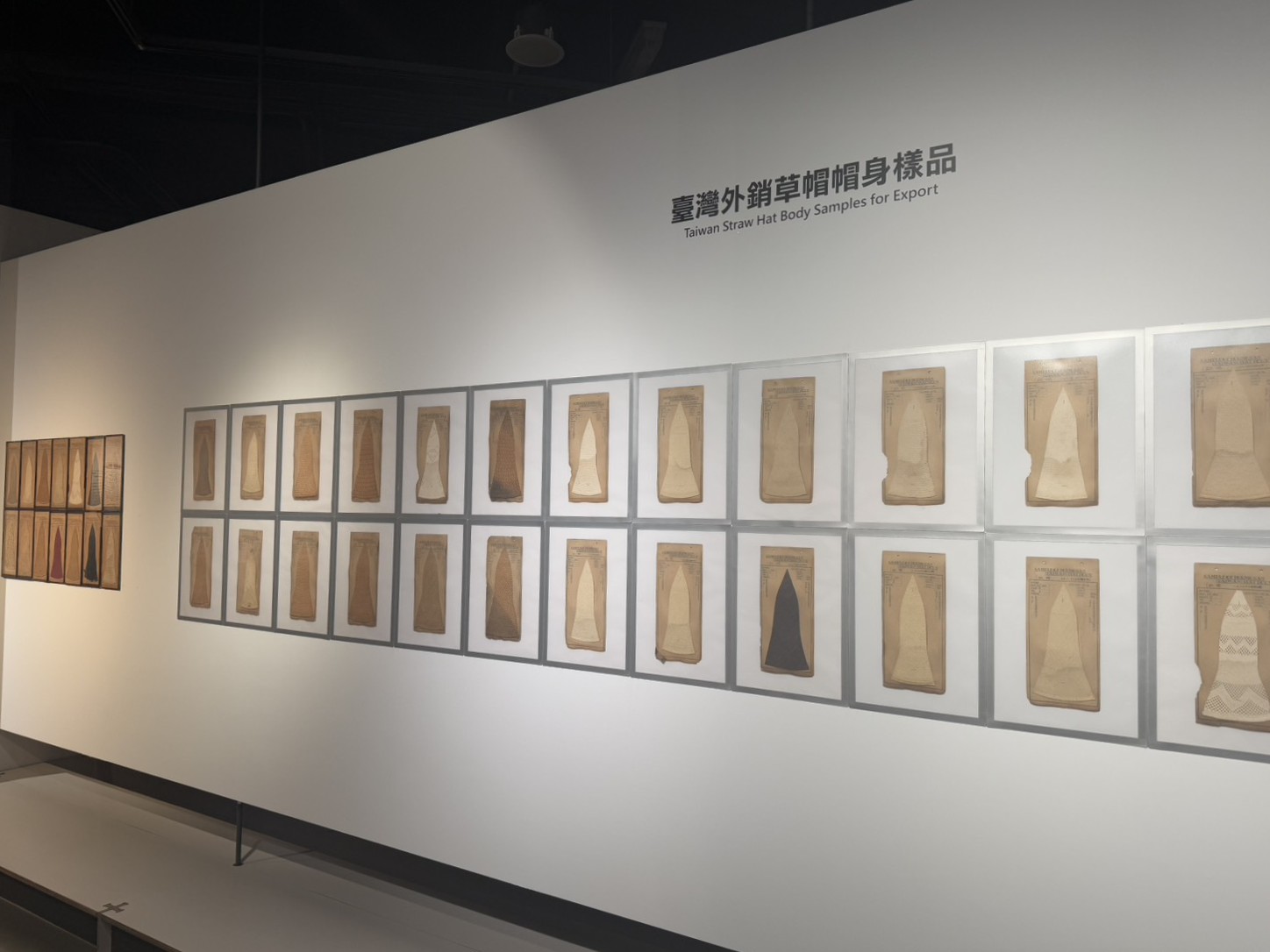
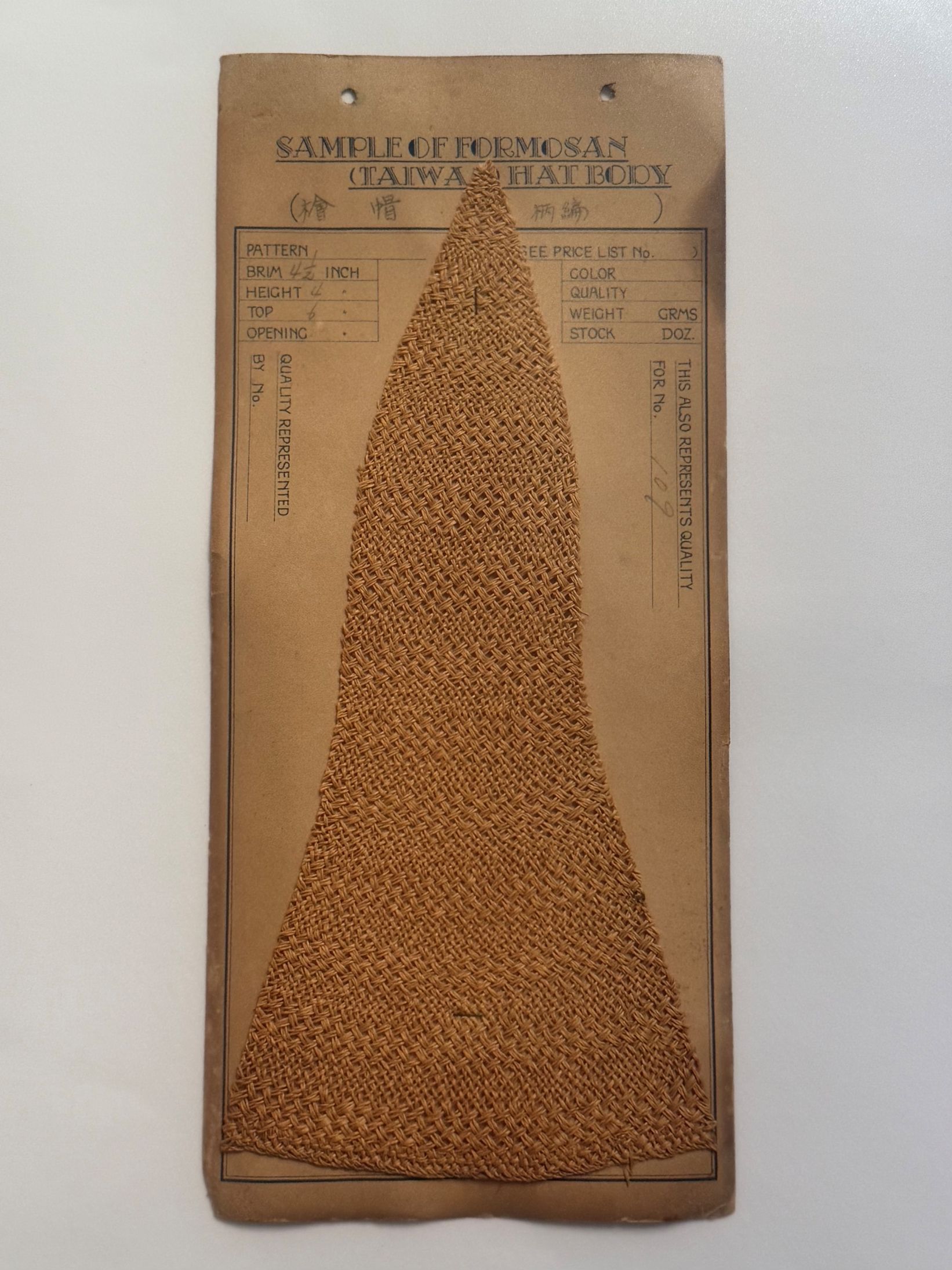
The current exhibition not only showcases a wide variety of precious hats made from diverse materials and styles but also features over 50 original woven hat samples brought back from Japan by Taiwanese hat merchants during the Japanese colonial period. These samples provide detailed information on the materials, weaving patterns, and dyeing techniques of the time, illustrating how early hat makers combined design and technology to stay at the forefront of global fashion trends.
In addition to the Taiwan: Kingdom of Rush Hats micro-exhibition, the Museum of Fiber Arts is simultaneously presenting Rush Mats & Sunny Days: Taiwan-Japan Rush Culture Weaving Exhibition. The museum’s “Natural Dye Workshop” also offers a variety of fashionable rush hats for visitors to experience. Surrounded by the subtle fragrance of rush grass, guests can appreciate the delicate craftsmanship and historic pride of Taiwan’s century-old hat-making tradition.
For more information about exhibitions and activities, please visit the Museum of Fiber Arts website at https://mofia.taichung.gov.tw/ or the Facebook page at https://www.facebook.com/mofiataichung/