
 Facebook
 Twitter
 LINE
LINE
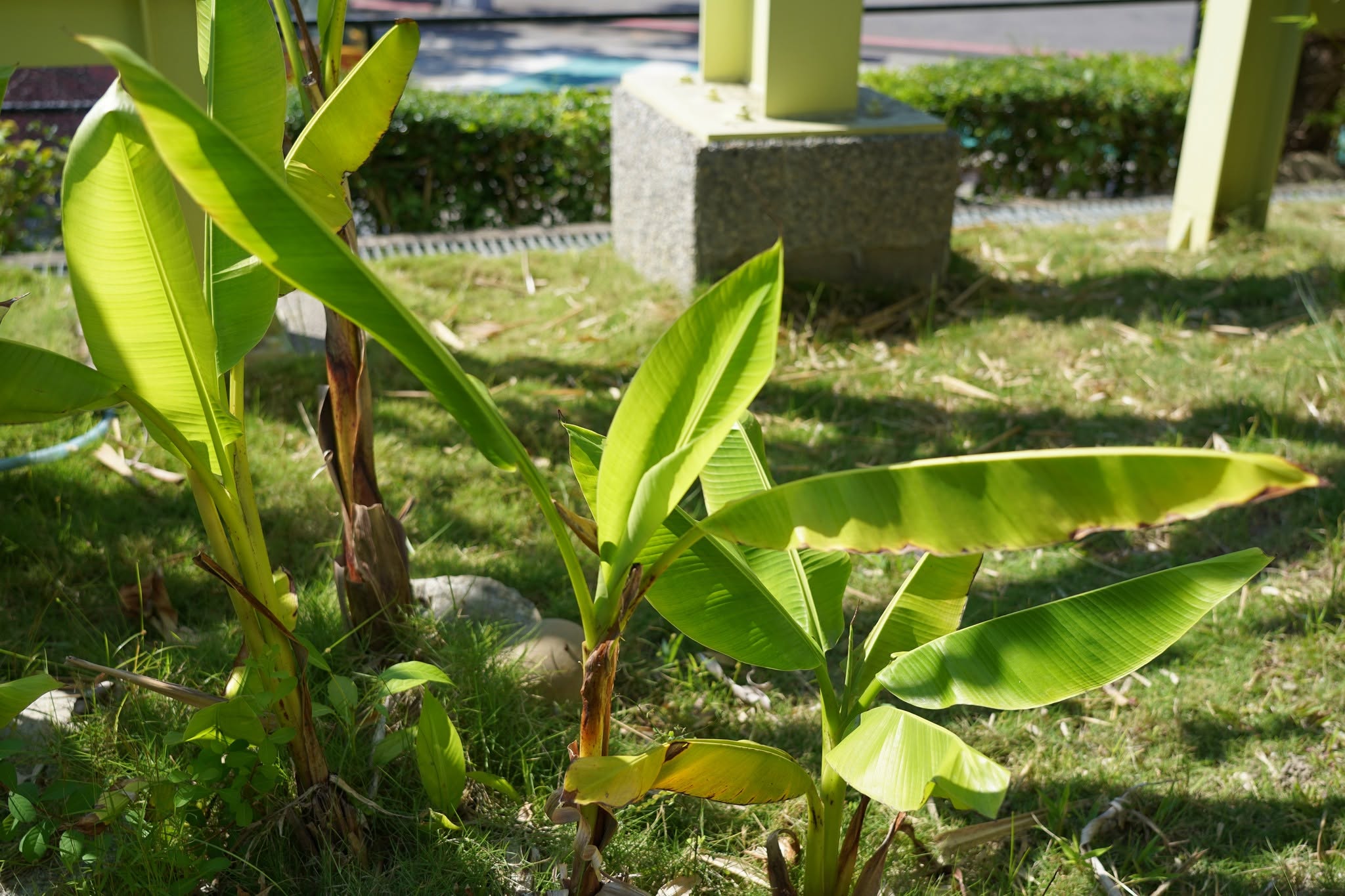
"I might look just like a banana, but I’m actually not one! Don't look down on me just because I'm short and tiny right now—once I grow up, I'll tower over you by a few heads!"
Abaca is primarily grown in the Philippines, including Manila, Luzon, and Cebu, where locals call it "Abaca." It has been exported to Europe and the Americas since the 19th century. Although Taiwan introduced and attempted to cultivate the plant several times in the past, it was never successfully mass-produced. As a result, Taiwan still relies on imports from the Philippines for its raw abaca materials.
While it closely resembles a banana plant, abaca boasts one of the tallest stalks among all herbaceous plants, reaching heights of 3.5 to 6.5 meters. Each stalk can yield 10 to 30 leaf sheaths. Its fruit is oblong and triangular, filled with numerous black seeds, and is completely inedible.
Abaca fiber is coarse, stiff, and exceptionally strong, making it a popular choice for weaving marine ropes, power transmission ropes, hats, and mats. Once combed, the lighter-colored fibers can be spun into coarse yarn for making straps and coverings, while the finer fibers are used for interior decorations. Furthermore, abaca is an excellent raw material for high-quality filmmaking and papermaking.